
Why Foster Kids Need Their Memories Honored: A Trauma-Informed Approach to Healing
Jun 10, 2026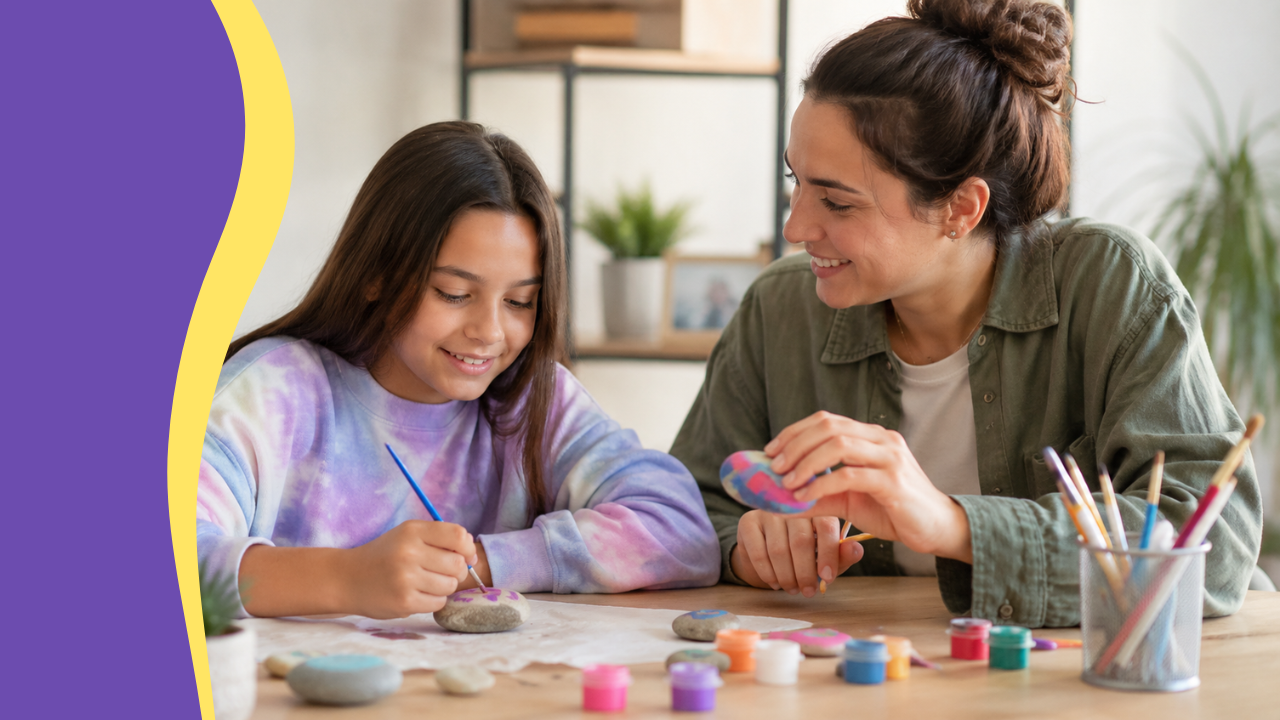
When we think about children who have experienced foster care, adoption, abuse, neglect, or other forms of developmental trauma, we often focus on helping them move forward.
We talk about creating stability, building life skills, developing healthy relationships, and creating a brighter future.
But what if one of the most powerful ways to help a child move forward is by helping them honor their past?
For many children with developmental trauma, memories can be complicated. Some memories are painful. Some arrive unexpectedly and trigger strong emotional reactions. Others are joyful but feel confusing because they are connected to people, places, or experiences that adults have labeled as "bad."
As caring adults, we often avoid talking about a child's past because we're afraid of saying the wrong thing or triggering difficult emotions. Unfortunately, when we avoid conversations about memories altogether, we may unintentionally communicate that parts of a child's story are not welcome.
The Unique Challenge of Memory and Developmental Trauma
Think about your own childhood.
What memories stand out?
Maybe it's a family vacation, a birthday celebration, a favorite teacher, or a tradition your family shared every year.
Even for adults who experienced relatively stable childhoods, it can be difficult to remember timelines, events, and details from years ago.
Now imagine being a child who has lived in multiple homes, attended multiple schools, and been cared for by multiple caregivers.
The challenge becomes much greater.
Many children in foster care struggle to organize their life experiences into a clear narrative. Their memories may feel fragmented or disconnected. Important milestones may be difficult to place in time. Relationships may have come and gone quickly.
Developmental trauma can make this even more challenging because chronic stress impacts brain development and the ability to process and organize experiences.
As a result, children may struggle not only with remembering their past, but also with understanding how their past fits into their identity.
The Assumptions We Make
Without realizing it, adults often make assumptions about a child's memories.
We may assume that because a child was removed from a home, there were no positive experiences there.
We may assume that discussing parents, siblings, friends, or past caregivers will be upsetting.
We may avoid conversations altogether because we don't want to open a can of worms.
But the reality is that children often carry meaningful memories from every chapter of their lives.
A child may fondly remember a sibling from a foster home where they only stayed for a week.
They may remember a teacher who made them feel safe.
They may remember a small tradition they shared with a parent.
Those memories matter.
And when we ignore them, we risk sending the message that those parts of their story don't matter.
The McDonald's Christmas Lesson
I once worked with a child whose team wanted to create an incredible Christmas experience.
Because he had never experienced a traditional Christmas celebration, we gathered gifts and planned what we thought would be a magical holiday.
But something felt off.
When we asked him what he really wanted, his answer surprised us.
He wanted to go to McDonald's.
At first, it seemed like an odd choice. Why would a child choose McDonald's over presents and special activities?
Then we learned the story behind it.
Going to McDonald's was a holiday tradition he shared with his mom. During a time when life felt difficult and unpredictable, those trips represented connection, love, and belonging.
What seemed insignificant to us held enormous emotional value for him.
That experience taught me an important lesson: we don't get to decide which memories are meaningful to a child.
Our role is not to judge their memories.
Our role is to honor them.
Why Positive Memories Matter
Children who have experienced trauma often hear messages about what was wrong in their lives.
You deserved better.
That wasn't okay.
You weren't safe.
While those statements may be true, they can sometimes create an unintended consequence.
Children begin to feel that they shouldn't remember anything good.
They may question whether positive memories are valid.
They may feel guilty for loving people who made mistakes.
They may start viewing entire chapters of their lives as completely bad.
But life is rarely that simple.
Helping children recognize positive memories allows them to develop a more balanced understanding of their experiences.
It reminds them that difficult chapters can still contain moments of love, joy, connection, and safety.
Most importantly, it helps them build a more complete sense of identity.
The Memory Rock Activity
One of our favorite activities in the Stable Moments model is called the Memory Rock Activity.
The goal is simple: help children recall and anchor themselves to positive memories.
Participants begin by thinking of a memory that makes them feel happy, safe, or proud.
The memory doesn't need to be profound.
Maybe it's playing soccer.
Maybe it's a favorite friend.
Maybe it's a special meal.
Maybe it's a trip to McDonald's.
Once the child identifies a memory, they hold a smooth rock against their heart and spend a few moments reflecting on it.
What does the memory look like?
What colors come to mind?
How does it make them feel?
Then they decorate the rock using paint, markers, stickers, or other art supplies in a way that represents that memory.
The finished rock becomes a physical reminder of a positive experience they can revisit whenever they need encouragement, comfort, or grounding.
More Than a Craft
At first glance, painting a rock may seem like a simple art project.
But the activity is about much more than creating something decorative.
It communicates several powerful messages:
Your memories matter.
Your story matters.
You are allowed to remember good things.
You are allowed to hold onto joy.
You have experienced moments of safety, connection, and success.
Those messages can be incredibly healing for children who have spent much of their lives feeling disconnected from their own stories.
Helping Children Build Resilience
Positive memories become resources.
On difficult days, a child can look at their memory rock and remember a friend who cared about them.
They can remember a moment they felt proud.
They can remember a time they felt safe.
Those memories become evidence that challenges can be overcome and that meaningful relationships do exist.
Instead of being defined entirely by trauma, children begin to see themselves through a broader lens.
They become connected not only to what happened to them but also to the moments that helped shape their strength, resilience, and identity.
Honoring the Whole Story
Trauma-informed care is not about pretending difficult things didn't happen.
It is about creating space for the entire story.
The hard parts.
The beautiful parts.
The confusing parts.
The meaningful parts.
When we honor children's memories without judgment, we help them develop a more complete understanding of themselves and their experiences.
And sometimes, something as simple as a painted rock can become a powerful reminder that their story is worth remembering.
If you're looking for practical ways to build meaningful conversations and life skills with children, check out our Meaningful Moments Conversation Cards and learn more about the Stable Moments trauma-informed mentorship model.
One child. One hour a week. One life changed.
Learn how to launch a program today.
Get new activities and trauma tidbits straight to your inbox!
We hate SPAM. We will never sell your information, for any reason.

